Understanding Google Ads
Google Ads is a powerful online advertising platform that allows businesses to reach potential customers through various ad formats and placement options. At its core, Google Ads functions on a bidding system where advertisers place bids on specific keywords related to their business offerings. This bidding determines the priority of ad display on Google’s search engine results pages (SERPs).
There are several types of ads available within the Google Ads ecosystem, including text ads, display ads, video ads, and shopping ads. Each type caters to different marketing strategies and audience engagement needs. Text ads are simple yet effective, appearing prominently on SERPs, while display ads utilize images and visuals to engage users across the Google Display Network. Video ads, served on platforms like YouTube, provide brands with an opportunity to connect with users via compelling audiovisual content. Shopping ads showcase product listings directly in the SERPs, making them particularly valuable for e-commerce retailers.
Understanding the target audience is crucial for maximizing the effectiveness of a Google Ads campaign. Businesses can target their ads based on various criteria, including demographics, interests, geographic locations, and even specific search queries. This granularity allows for highly tailored advertising efforts, ensuring that the messages reach the most relevant consumer segments.
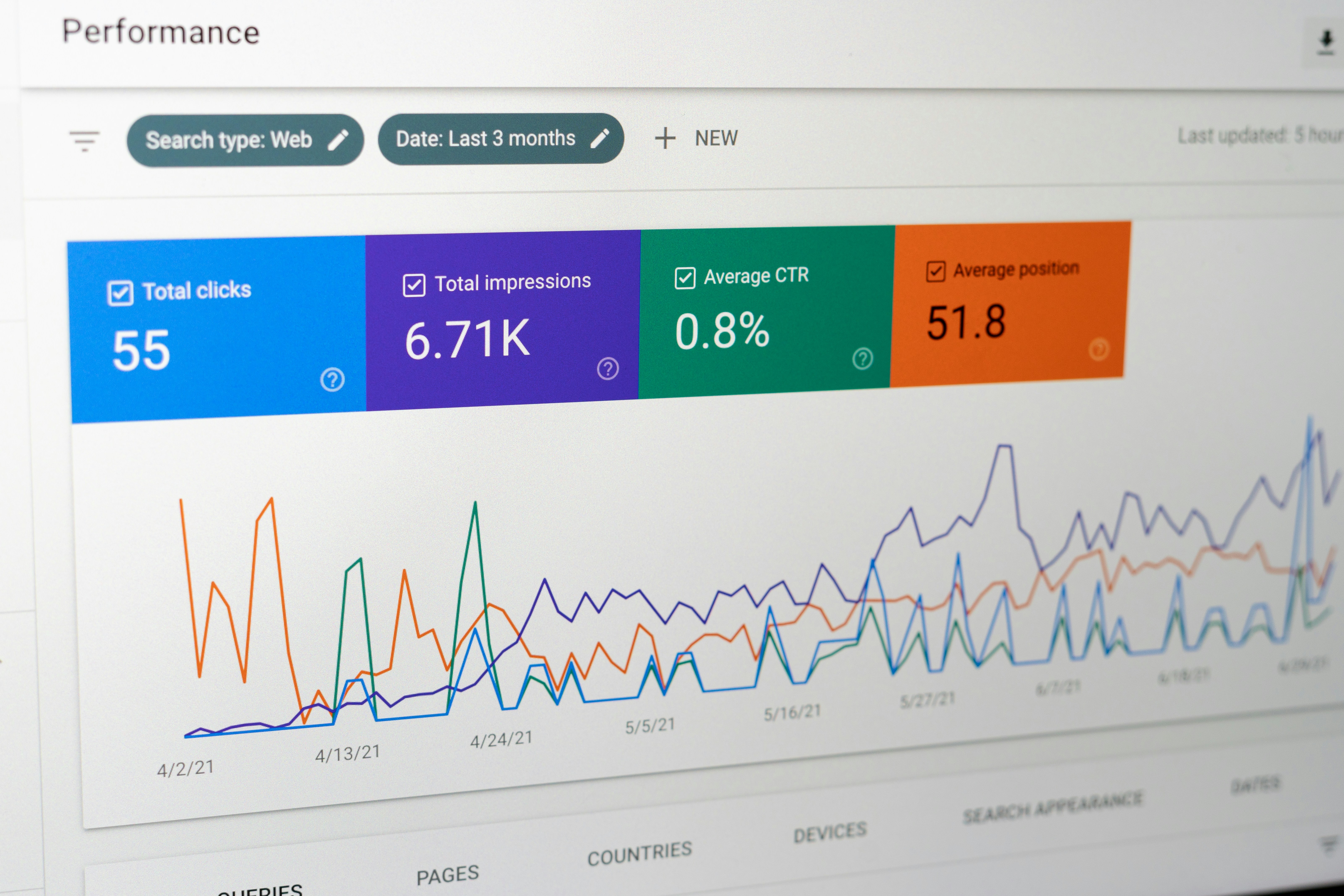
Metrics for success in Google Ads encompass a variety of performance indicators. Key performance metrics include click-through rates (CTR), conversion rates, and return on ad spend (ROAS). Advertisers can track how well their ads are performing in real-time, making adjustments to enhance overall campaign effectiveness and ensure that marketing budgets are allocated efficiently. Maintaining an ongoing analysis of these metrics is essential for optimizing future ad placements and strategies.
Overview of Meta Ads
Meta Ads, formerly known as Facebook Ads, have evolved significantly, now standing as a critical component for businesses aiming to enhance their online presence and customer engagement. This advertising platform provides various features tailored to the needs of marketers, allowing them to create targeted campaigns that align with specific business goals.
One of the standout features of Meta Ads is its highly customizable format. Advertisers can choose from multiple ad types, including image ads, video ads, carousel ads, and collection ads, catering to diverse marketing strategies. Each format serves different purposes, whether it’s to build brand awareness, promote a product, or drive traffic to a website. The flexibility in ad format enables businesses to present their offerings in visually appealing ways, enhancing user interaction.
Audience targeting is another significant advantage of Meta Ads. The platform utilizes advanced targeting capabilities, allowing businesses to reach specific demographics based on interests, behaviors, and geographical location. With the integration of insights derived from user interactions within the Meta ecosystem, marketers can refine their target audiences, ensuring that ads are displayed to individuals most likely to engage with their content.
Engagement metrics provided by Meta Ads are robust, giving advertisers insight into how well their campaigns perform. Businesses can track various indicators such as click-through rates, conversion rates, and overall reach. This data is crucial for optimizing existing ads or crafting future campaigns. By analyzing these metrics, businesses can adjust their strategies in real-time, ensuring better engagement and a more effective use of their advertising budget.
In contrast to traditional advertising, Meta Ads emphasize measurable outcomes and interaction over mere impressions. With these capabilities, businesses can shift from passive advertising techniques to a more dynamic, interactive approach, capitalizing on the potential of social media platforms to stimulate user engagement and achieve their marketing objectives.
Targeting and Audience Reach
When businesses seek to optimize their advertising strategies, understanding the targeting capabilities of various platforms is crucial. Google Ads and Meta Ads each offer unique advantages when it comes to pinpointing target audiences.
Google Ads primarily relies on keywords to trigger ads based on search queries. This search intent allows businesses to reach potential customers who are actively seeking specific products or services, which can be especially effective for high-intent users. Through Google’s extensive data and analytics, advertisers can utilize demographic information such as age, gender, and geographic location to refine their targeting further.
On the other hand, Meta Ads, which encompasses advertisements across platforms such as Facebook and Instagram, provides a more community and interest-based approach. Through extensive user profiles, Meta allows advertisers to reach audiences based on demographics, interests, behaviors, and even recent life events. This level of targeting caters to users who may not be actively searching for a product but are likely to engage based on their interests and social interactions.
The effectiveness of each platform can be contingent on the nature of the business. For instance, businesses targeting consumers actively seeking a solution to a specific problem might find Google Ads more beneficial. Conversely, brands looking to build awareness or engage a community around their offerings might discover greater success with Meta Ads.
Moreover, combining both platforms could yield a comprehensive marketing strategy, allowing businesses to maximize their reach by targeting users at various stages of the customer journey. While Google Ads facilitates connection with high-intent users, Meta Ads can help build brand affinity and foster user engagement. In the evolving landscape of digital advertising, assessing the strengths of each can empower businesses to determine the best fit for their needs.
Cost and Budget Considerations
When evaluating the cost structures of Google Ads and Meta Ads, businesses must consider various pricing models that each platform offers. Both platforms utilize different methods for charging advertisers, prominently featuring cost-per-click (CPC) and cost-per-thousand impressions (CPM), along with other variations such as cost-per-acquisition (CPA) and cost-per-action (CPA). Understanding these models is essential for determining the most suitable option for your advertising budget.
Google Ads primarily operates on a pay-per-click basis. This means that advertisers are charged only when a user clicks on their ad. The average CPC can fluctuate based on industry competition, target keywords, and the quality score of the ads. This model is especially beneficial for businesses focused on direct response marketing. Businesses can set daily budgets and benefit from tightly controlled spending, making it easier to manage expenses effectively.
On the other hand, Meta Ads (previously Facebook Ads) often use both CPC and CPM. In campaigns where brand awareness is prioritized, businesses might choose a CPM model, where they pay for every 1,000 impressions their ads receive. Meta Ads enable advertisers to target specific demographics and interests, enhancing the likelihood of reaching a relevant audience. Therefore, while the initial costs may seem higher, the potential for engagement and conversion can lead to favorable return on investment (ROI).
When considering which platform offers better ROI, businesses must evaluate their size, budget constraints, and advertising goals. Smaller businesses might benefit more from Google Ads due to its straightforward approach to budgeting and tracking results through clicks. Conversely, larger enterprises with greater marketing budgets might find Meta Ads to be more advantageous, as they can capitalize on extensive audience targeting capabilities.
Ultimately, determining the right fit for your business involves analyzing your unique circumstances and goals. By carefully assessing your advertising budget and the expected outcomes from each platform, you can make informed decisions that align with your objectives.
Ad Formats and Creative Opportunities
When considering advertising through Google Ads and Meta Ads, understanding the various ad formats available on each platform is crucial. Both platforms offer a range of creative opportunities that can cater to diverse marketing objectives. Google Ads primarily utilizes search ads, display ads, and video ads, whereas Meta Ads focuses heavily on social engagement through image, video, and carousel ads.
Google Ads excels in search advertising, which allows businesses to place text-based ads on search engine results pages. This format enables advertisers to target specific keywords central to their offerings, ensuring ads reach users actively seeking those products or services. Additionally, Google Display Network provides responsive display ads that automatically adjust their size, appearance, and format across various devices, enhancing visibility and user engagement.
On the other hand, Meta Ads, which encompasses platforms like Facebook and Instagram, caters to a visually driven audience. Its formats include image ads that capture attention with rich visuals, video ads that allow for engaging storytelling, and carousel ads that showcase multiple images or videos in a single advertisement. These creative opportunities foster higher engagement rates, as users are more inclined to interact with visually appealing content within their social feeds.
Moreover, both platforms offer unique ad formats tailored for specific requirements. For example, Google Ads features shopping ads for e-commerce businesses, while Meta Ads provides collection ads designed to run on mobile devices, allowing users to discover products through their posts. The choice between Google Ads and Meta Ads should thus consider not only the format strengths but also the overarching marketing goals, potential audience engagement, and the type of content that resonates best with the target demographic.
Performance Metrics and Analytics
When evaluating the effectiveness of advertising on platforms like Google Ads and Meta Ads, understanding performance metrics is crucial. Businesses need to analyze various key performance indicators (KPIs) to determine how well their advertising strategies are functioning. Key metrics to measure include click-through rates (CTR), conversion rates, and engagement metrics, each offering unique insights into campaign performance.
Click-through rates are a primary metric that indicates the percentage of users who engage with ads by clicking them. A high CTR often suggests that an ad is well-targeted and resonates with the audience. Conversely, a low CTR may indicate that the advertisement is not appealing or relevant to potential customers. In the context of Google Ads, CTR can be influenced by factors such as ad placement, keyword selection, and the quality of the ad itself.
Conversion rates complement the CTR by measuring the percentage of users who not only click on an ad but also complete a desired action, such as making a purchase or signing up for a newsletter. This metric is vital in assessing the effectiveness of an ad campaign, as a high conversion rate indicates that the ad is not only attracting clicks but also driving valuable actions. Both Google Ads and Meta Ads provide tools for tracking these conversions, allowing businesses to refine their strategies based on actual performance.
Engagement metrics, including likes, shares, comments, and time spent on a page, provide additional data on how users interact with ads. Specifically for Meta Ads, these metrics are essential in understanding brand awareness and community interaction. High engagement can signify that the audience finds the content interesting and is likely to lead to increased brand loyalty and retention. Businesses should leverage analytics from both platforms to gain a holistic view of their advertising performance, ultimately guiding them to make informed decisions for future campaigns.
Industry-Specific Performance Insights
When considering advertising platforms, it is crucial to evaluate how various industries perform on Google Ads and Meta Ads. Each platform attracts different types of audiences, and understanding these dynamics can help businesses optimize their marketing strategies.
For instance, the retail industry has long found Google Ads particularly effective due to its immediate search functionality. Retailers that leverage Google Shopping Ads often experience high conversion rates, as these ads appear when consumers are actively searching for specific products. According to a study conducted by Google, 76% of consumers who conduct a local search visit a physical store within a day, highlighting the effectiveness of targeted ads in this sector.
On the other hand, industries such as travel and hospitality typically benefit more from Meta Ads. With a visually rich platform and robust targeting options, Meta allows businesses in this sector to showcase stunning imagery of destinations and experiences. A case study from a well-known travel agency indicated a 45% increase in bookings after investing in Meta Ads, demonstrating the platform’s strength in engaging potential customers through captivating visuals and interest-based targeting.
Moreover, the B2B sector often sees varying results. Here, Google Ads can be effective for lead generation, especially for businesses offering specific services that clients actively search for. Conversely, Meta Ads can yield higher brand awareness and engagement by targeting users based on job titles or industry affiliations, making it highly beneficial for brand-building efforts.
In summary, the performance of Google Ads versus Meta Ads can significantly vary by industry. Retailers may find more success with Google due to immediate purchase intents, while visually appealing industries like travel may garner better results from Meta’s showcase capabilities. Understanding these nuances can guide businesses in selecting the most effective advertising strategies tailored to their specific industry needs.
Pros and Cons of Each Platform
In today’s competitive advertising landscape, business owners often grapple with choosing between Google Ads and Meta Ads. Each platform presents unique advantages and disadvantages that can significantly influence effectiveness depending on the nature of the business and its goals.
One of the primary advantages of Google Ads is its broad reach. Given that Google dominates the search engine market, businesses can effectively tap into a vast audience actively seeking specific products or services. The ability to target keywords enables advertisers to direct their messages to potential customers who are already expressing interest, translating into higher conversion rates.
Additionally, Google Ads offers comprehensive analytics tools that help businesses gauge campaign performance. These insights allow for real-time adjustments and optimization, ensuring resources are allocated efficiently. However, one of the downsides is the complexity of the platform, particularly for those without prior experience. The steep learning curve can deter smaller businesses with limited marketing budgets.
On the other hand, Meta Ads provides a visually engaging platform for advertising through Facebook and Instagram. The ability to create striking image and video content is a significant advantage, appealing to brands aiming to capture users’ attention in a crowded feed. Meta Ads’ sophisticated targeting capabilities enable advertisers to reach specific demographics, interests, and behaviors, enhancing engagement potential.
Yet, a potential drawback of Meta Ads is its reliance on social media interactions, which may not always translate to immediate sales. Additionally, some businesses face challenges regarding the evolving nature of algorithms that influence ad visibility, making consistent audience reach a concern. Furthermore, customer service can sometimes be lacking, which may lead to frustrations when resolving issues.
In conclusion, both Google Ads and Meta Ads offer distinct pros and cons that business owners must evaluate based on their specific needs and resources. The decision ultimately hinges on the nature of the product or service being marketed, the target audience, and the overall marketing strategy the business wishes to implement.
Making the Right Choice for Your Business
When it comes to choosing between Google Ads and Meta Ads, businesses must carefully consider a variety of factors that align with their specific marketing goals. The first aspect to evaluate is the type of products or services being offered. For instance, businesses that have a tangible product or a service that benefits from visual representation may find Meta Ads, with its strong visual components, more suitable for engaging potential customers.
On the other hand, if the business involves services or products that require extensive research or have a longer decision-making process, Google Ads can provide a more targeted approach. In particular, Google’s search engine capabilities can help capture the intent of users who are actively searching for specific solutions, making it an effective platform for lead generation.
Understanding the target market is also crucial in making this decision. Businesses must analyze where their audience spends most of their time online. If the target demographic skews towards social media, Meta Ads could offer a better avenue for engagement and brand building. Alternatively, for a demographic that relies heavily on search engines for information and comparisons, Google Ads might prove more advantageous.
Additionally, the advertising budget is an essential component of the decision-making process. Both Google Ads and Meta Ads operate on a pay-per-click basis but offer different pricing structures and bidding strategies. Businesses should assess which platform provides a more favorable return on investment based on historical performance and industry benchmarks.
Ultimately, the choice between Google Ads and Meta Ads should reflect the unique needs and strategic objectives of your business. A comprehensive analysis of goals, target audience, product type, and budget can inform a targeted advertising strategy that increases marketing effectiveness. It is advisable to consider running small test campaigns on both platforms to gather performance data before committing to a larger budget allocation.